


In a season where much of the football has felt strangely mechanical, Tottenham Hotspur have delivered something the Premier League desperately needs: chaos.
Because in the modern attention economy, being endlessly entertaining may matter more than being consistently good.
So writes Tom Ingoldby, Head of Sport at communications leader, Velvet…


First, the formalities. Congratulations to Arsenal on winning the Premier League. A huge achievement for a club that has firmly dragged itself out of its “Banter Era” and finally toppled the all-conquering Manchester City.
But this season’s defining story hasn’t really been Arsenal. It’s been their North London neighbours, Tottenham Hotspur.
A club so wedded to chaos and disaster that “Spursy” became a common-use adjective. A team seemingly capable of turning almost every situation into an existential crisis. And this season may well prove to be peak Spurs, if results go against them this weekend.
While the quality of football on the pitch across the board this season has lacked the excitement of previous years, Spurs have delivered something arguably even more valuable to the Premier League brand: a narrative that everyone has got involved in and is contributing to.
More than just a game
That might seem counterintuitive. But modern football is no longer just a sport, it’s an always-on content ecosystem. And the Premier League is the biggest example of this in the game.
The Premier League is broadcast into hundreds of millions of homes worldwide, generates billions in media rights revenue, and dominates global football conversation across social media.

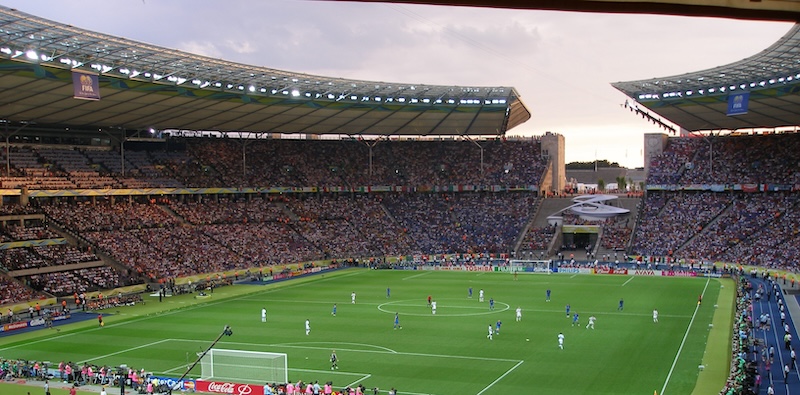
But the football isn’t really the main draw anymore; it’s the fan participation element. The memes. The WhatsApp debates. The fan channels. The TikTok edits. The running jokes that run for decades. Modern football fandom doesn’t end at the final whistle.
Which means the Premier League now relies on more than just technical quality or tactical innovation to maintain its position as the world’s most culturally dominant football league. It needs storylines. It needs the villains, the meltdowns, the rampant tribalism. Those moments that spill out of the stadium and into wider culture.
And in a season where the football itself has been a bit “meh”, Spurs have, for a change, risen to the occasion.
Feeding the content machine
For years, the Premier League has sold itself on the joy of chaos. Cantona. Keegan. Mourinho press conferences. Klopp’s “heavy metal football”. Rooney being Rooney. And it’s brilliant in its madness.
Or at least it was. Elite football has become increasingly systemised. Manchester City perfected robotic control. Arsenal, despite their title win, have spent large parts of this season functioning with the efficiency of a Volvo assembly line with a set-piece coach.
Sure, it gets wins, but there’s a reason so many fans increasingly describe modern, risk-averse football as sterile.
But every entertainment product needs tension. It needs jeopardy. It needs characters people emotionally invest in, whether through love, hatred or pure schadenfreude (a currency that football fans live by).
The conversation around Spurs this season has become fuel across every platform imaginable. Rival fans praying for relegation for the “bants”. Group chats exploding every weekend as Spurs ‘Spurs it up’ again. Content creators in meltdown. Memes are travelling globally within minutes.



Plenty of people who haven’t watched a full Tottenham match all season still know exactly what’s happening at Spurs.
Now that is the power of the brand. And most importantly, the brand is being powered by the fans. This isn’t manufactured by the Premier League. This is happening naturally and without any interference.
Led by the fans
The Premier League is at its strongest when supporters take ownership of the narrative themselves. When football escapes the confines of official marketing campaigns and becomes something messier, funnier and unavoidable no matter where you go.
The footballing community can spot manufactured “banter” from brands a mile off. They know when marketers are forcing culture rather than understanding it.
That is something we found repeatedly while building Velvet’s Sports Marketing League Table ahead of this summer’s World Cup.
The sports marketing agencies that performed best, such as Two Circles, The Team, and JvM, understood how football conversation actually moves, recognising that modern football culture lives across creators, communities, podcasts, fan channels, and social platforms as much as it does on the pitch itself. And they were talking about it, in the right way, across media.
For Tottenham fans, this has been the worst season in their recent history. For rival fans it’s been brilliant.
And for the Premier League brand? Well, that’s the real winner.